
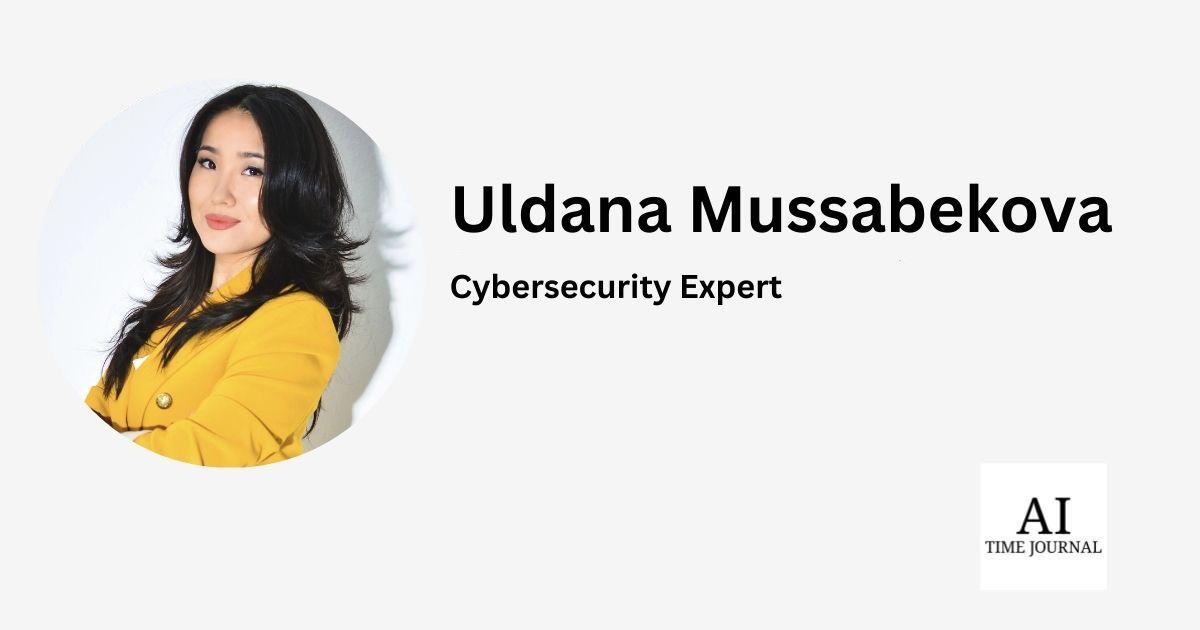
In a time when billions vanish into the digital ether with a few keystrokes, cybersecurity has become more than a technical discipline — it is a battleground. According to FBI statistics, over $12.5 billion was lost to cybercrime in 2023 alone, a staggering figure that has tripled since 2019. But the conversation around digital safety extends far beyond numbers for Uldana Mussabekova, a cybersecurity expert with roots in Central Asia and a career forged in some of Austria’s most complex financial environments. It's about responsibility, readiness, and representation.
Over the years, Mussabekova has quietly built a reputation as one of the most insightful minds in European cybersecurity. Her career began inside one of Austria’s largest banks, where she did more than respond to threats — she built systems to anticipate them. A cornerstone of her early impact was the development of a KPI lifecycle process that allowed her team to measure and interpret security performance in real time, identifying weak spots long before they could be exploited.
But metrics were only the beginning. Mussabekova led an ambitious effort to assess the incident response readiness of critical banking teams operating in the SWIFT environment — the invisible infrastructure behind international banking transactions. In doing so, she helped shore up cybersecurity not just for one bank, but for more than 20 subsidiaries spread across the continent.
Now working at one of the largest insurance companies in Central and Eastern Europe, Mussabekova continues to influence the region’s digital defenses. She oversees enterprise-wide data protection efforts, pushing forward rigorous standards while balancing the complexity of modern-day regulation. Her work doesn’t go unnoticed. In 2025, she received the prestigious "Maverick of the Year" award at the Cases & Faces International Conference for what the jury described as “transformational leadership in times of digital volatility.” That same year, she was invited to join the panel of experts for the Globee Awards for Cybersecurity.
But Mussabekova’s journey is about more than technical success, it's also about building strong professional communities and empowering others. Early in her career, she realized that technical expertise alone wasn’t enough; cultivating a culture of collaboration and continuous learning was just as critical. This realization led her to co-lead professional development initiatives at her former bank and mentor aspiring cybersecurity professionals through programs like ‘Women4Cyber.’ For her, leadership isn’t only about decision-making, it’s about setting a standard, sharing knowledge, and creating opportunities for others to grow.
When asked whether the greatest risk to a financial institution is external hackers, fraudsters, or internal, Mussabekova is unequivocal. “The real danger is disorganization. A bank can have every external firewall in place, but if internal processes are fragmented or misaligned, the whole structure is vulnerable.” In her view, the most effective defense strategy isn’t just about the right tools — it’s about alignment, accountability, and culture. Regular training. Clear protocols. And above all, integration.
Still, she cautions that vigilance is required even from the outside. For ordinary clients wondering where their money is safest, her advice is clear: ask questions. “Understand how your bank stores and processes personal data. Look for compliance with standards like PCI-DSS, GDPR, and ISO 27001. A company’s transparency and its track record are often your best protection.”
At a time when the digital economy is expanding faster than its safeguards, Uldana Mussabekova offers not just a voice of reason but a path forward. Not through fear, but through structure. Not through exclusion. And above all, not through panic, but through preparation.