
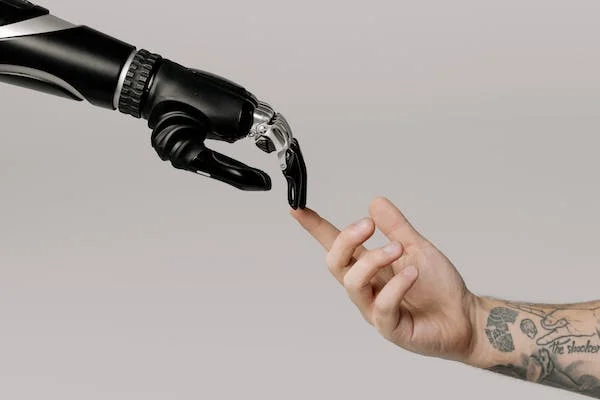
With artificial intelligence (AI) now entertaining what seems to be its formative years, we could only imagine what more it's capable of in less than a decade. While it still has a long way to go before sentient systems are developed, AI technology has proven to be effective in tasks reserved only for human creativity.
Anything from writing songs to crafting ad copy in just a matter of seconds is now possible with language models like ChatGPT and Bard. However, there's more to AI than the mere copying of human creativity. Its horizons are continuously expanding and it is now capable of handling tasks and roles we didn't know were possible. Here are some that may surprise you:
1. Energy management
With climate scientists sounding the alarm on global warming, technology has now become our faithful ally in reducing our carbon footprints and crafting sustainability strategies. AI is taking center stage as it helps experts analyze energy consumption patterns and develop roadmaps toward adapting alternative fuel.
At the household level, thermostats in the near future may feature automated temperature controls. Before, programmable thermostats could only change indoor climates based on a fixed schedule. With AI-powered thermostats, adjustments are made automatically by analyzing outdoor and indoor conditions and using optimal settings that consume less energy.
2. Financial analysis
The challenge that financial analysts face is risk and uncertainty, which are also factors that influence buying and selling decisions. Automating this process can lead to better outcomes and predictions and AI trading platforms like Wealthfront and Acorns are already making rounds in the financial industry. Their features include portfolio management and opportunity tracking. Whether you're analyzing ADA price today or looking for new investment vehicles to dive into, AI platforms will give you the confidence to plant your hard-earned money on good soil.
3. Legal services
The use of AI tools in court remains controversial following a case in which lawyer Jason Schwartz admitted he used ChatGPT for legal research. This experience has opened up deeper discussions over how AI platforms should be utilized in law firms, most of which concern professional ethics. After all, practicing law is based on fact-finding, which AI language models cannot do. Nonetheless, AI platforms are still valuable in easing up hectic workloads that include document management and marketing.
4. Public security
We have AI systems that help with analyzing security threats and detecting vulnerabilities. While this seems like a concept taken straight out of a dystopian novel, the technology could be helpful in analyzing security footage and accurately tracking the movements of suspects. Ahead of the Paris 2024 Summer Olympics, France has announced that it plans to use AI to secure sports venues. This will surely open up discussions on how well these systems can help secure privacy.
Endnote
There's more that AI can do, but talking about how fast it's developing could provoke feelings of insecurity and uncertainty. However, the technology is already here and as we take time to learn about its capabilities and develop ethical codes, an automated future is closer to a possibility than we think.