
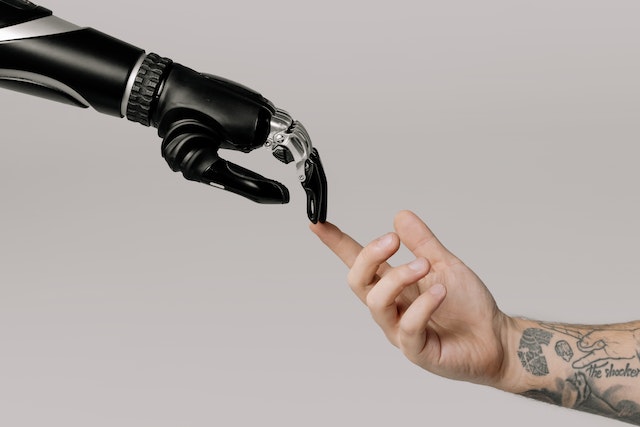
School cheating is a serious problem that needs to be addressed, and the use of AI tools in schools can be challenging for the education system. This can involve copying someone else’s work, collaborating on a project without permission, or using notes during exams. Cheating is wrong not only because it undermines the educational system. It also teaches students that it’s ok to cut corners and get away with unethical behavior. They develop bad habits of relying on others instead of themselves. This can have long-term negative effects on their personal lives as well as their professional ones.
To learn more about the consequences of cheating, check an academic cheating essay and titles similar to this one. There are a lot of free essay examples available on the web online, especially on Samplius. Ultimately, cheating at school doesn't benefit anyone. Everyone loses out when individuals resort to dishonesty to excel.
The emergence of AI-powered cheating and its impact on educational institutions
AI-powered cheating is becoming increasingly common in educational institutions. Not only does this create an uneven playing field for honest learners, but it also poses a broader threat to the fairness of exams and assessments.
AI-powered cheating can occur through multiple means. For example, students may use sophisticated algorithmic models that respond to essay questions. Or they may turn to chatbots used to communicate with professors and answer exam questions remotely. These technologies are highly advanced and hard to detect. This makes them incredibly dangerous for academia as a whole.
The ethical implications of Using AI for Cheating and the Responsibility of Educators
By using AI for cheating, students are not only compromising their integrity, but they're also taking away from the educational experience of their peers. Cheaters may gain an unfair advantage over those who choose to work hard and study honestly. This creates an unbalanced learning environment for everyone involved.
Educators are responsible for maintaining an honest learning environment where everyone can get an equal chance at success. That means they must be aware of the potential implications posed by AI-assisted cheating and take steps to ensure students aren't taking advantage of it.
It may include implementing more stringent anti-cheat procedures in classrooms. Or it may be about instituting policies that ban certain kinds of AI-powered services. Whatever steps educators decide to take, the goal should always be to maintain an honest educational atmosphere. In this atmosphere, everyone must have a fair chance.
Strategies and technologies to detect and prevent AI-powered cheating in schools
There is a widespread problem of cheating in schools. Now, many students are turning to Artificial Intelligence (AI) tools to gain an edge. But anti-cheating technology challenged school students.
Now, institutions try to stay up-to-date on the latest strategies for detecting and preventing AI-powered cheating. Here are just a few of them:
1. Regular reviews of student work
Educators should regularly review completed student work for any irregularities that may indicate AI-powered cheating.
2. Utilizing online plagiarism detection tools
There are a variety of online tools available that can help educators detect plagiarized work in student submissions.
3. Developing an academic integrity policy
A clear and comprehensive academic integrity policy should be established for:
- all students and staff
- any external contractors
- vendors working with the school.
4. Implementing dedicated software solutions
Schools can install dedicated software solutions to detect AI-based cheating on tests and other assignments. Some of them are created by popular providers like Chegg and Turnitin.
These strategies should be combined with regular education on the importance of ethical practices in school. Educators should strive to create an environment where students understand the consequences of cheating. What’s more, they must realize the value of honest work and hard-earned success.
The role of education in promoting academic integrity and responsible use of AI technology
Education is essential for understanding the complexities of artificial intelligence. It can help us to identify and address potential risks associated with its use. As a result, unethical practices can also be prevented. Teaching students about the ethical implications of AI technology allows them to develop critical thinking skills. It also encourages responsible behavior in their work.
Besides, AI education can help students distinguish between legitimate sources of information and inaccurate or biased data. This will allow them to create original content using reliable sources.
With education at the forefront, we can begin to create a culture where academic integrity is respected. Eventually, students will avoid irresponsible AI usage.
It takes everyone's commitment to do so. But by working together towards this goal we move closer to creating a brighter future for all.
Final Thoughts on AI in Schools
AI in schools is here to stay, and it's revolutionizing the way students learn. It has taken a traditional classroom setting and turned it into an environment tailored to the unique learning needs of each student. As we move forward into this brave new world of AI-enabled learning, the possibilities are endless. But it's important to use AI-powered tools wisely.