Mark Karelov reveals why 42% of ERP consultants will pivot roles by 2025 – and how to future-proof your expertise
In the last three months (April–June 2025), the three largest vendors—SAP, Oracle, and Microsoft—have released AI modules with autonomous decision-making capabilities for ERP systems. According to McKinsey, this has reduced financial reporting cycles by 40%, but with an unexpected side effect: demand for IT auditors has surged by 210%. Why are 73% of companies delaying full adoption of autonomous systems? And what new skills are now required even for accountants? Mark Karelov, a leading digital transformation expert, breaks it down.
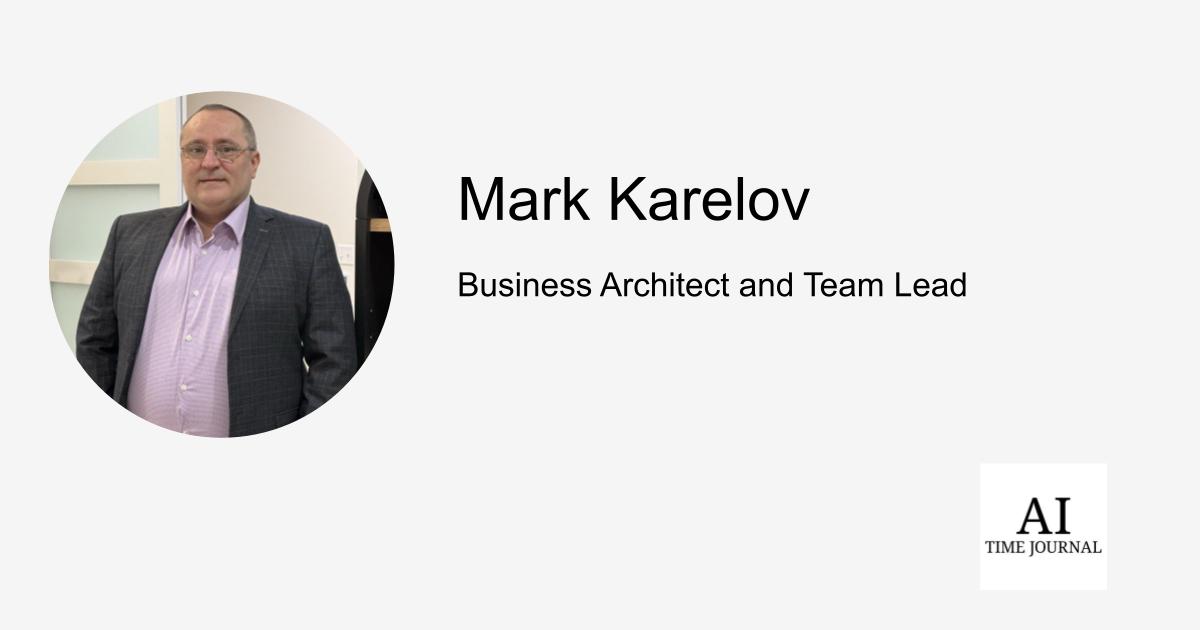
Mark Karelov – business architect and team lead with 20 years of experience implementing ERP solutions. Has progressed from business analyst to global automation program lead, personally overseeing the transition of 15+ enterprises' business to modern ERP systems.
Mark Karelov is a member of The Ventures Association (the-ventures.com), an international network of technology and business leaders driving innovation in enterprise solutions. In 2025, he was also awarded for his leadership in Ukrainian entrepreneurship.
"Today’s AI doesn’t replace consultants – it replaces those who merely translate requirements into IT systems. Our task is mastering symbiotic collaboration." – A central thesis of his keynote address.
In 2024-2025, AI assistants (Copilot, ChatGPT) began replacing the routine tasks of ERP consultants. Which functions have they already automated? Could you share examples from your practice?
Over the past two years, AI assistants like Copilot and ChatGPT have significantly transformed the way ERP consultants work. In my practice, I’ve seen these tools automate roughly 40% of routine tasks - things like generating business requirement documents, mapping data fields, and even configuring basic workflows in modern ERP systems like D365FO or SAP. One striking example: a client’s ChatGPT integration reduced the time needed to customize ERP roles from two days to under three hours.
In your opinion, what percentage of traditional ERP consultants’ work might disappear by 2030? Which roles are most at risk (implementers, analysts, developers)?
But let’s be clear - AI isn’t replacing consultants wholesale. By 2030, I estimate that about 25-30% of traditional ERP jobs may disappear, especially for roles focused on repetitive configurations or documentation. Junior analysts and technical writers are most vulnerable. However, the market is already creating new opportunities - AI governance specialists, hybrid system designers, and consultants who can bridge the gap between AI outputs and real business needs are in high demand.
How are American companies reacting to this trend? For example, have they reduced hiring consultants for Dynamics 365/SAP after Copilot’s release?
In the U.S., companies aren’t necessarily hiring fewer consultants- they’re just shifting what they need. After Copilot’s release, many firms cut back on junior implementers but started paying premium rates for experts who could validate AI-generated configurations and ensure compliance. Microsoft’s latest data shows that nearly half of all Dynamics 365 deals now include AI governance clauses, which means consultants with expertise in auditing AI outputs are thriving.
What would you advise ERP specialists to do to stay relevant? Which skills should they prioritize?
For ERP professionals looking to stay relevant, the key is adapting. Learning how to effectively prompt AI for complex ERP tasks, like converting GAAP rules into ERP, is becoming essential. Beyond that, skills like process mining, change management, and the ability to troubleshoot AI-generated errors will set you apart.
Can AI in ERP harm businesses? For instance, if it make errors in configuring the financial module?
That said, AI in ERP isn’t without risks. I’ve seen how an unchecked AI can misconfigure financial postings, leading to costly errors. One European retailer lost weeks of audit time due to an AI misclassifying inventory. That’s why many teams use a strict validation framework; every AI-generated configuration goes through sandbox testing, human review, and compliance checks before going live.
The future of ERP consulting isn’t about competing with AI - it’s about leveraging it while maintaining human oversight where it matters most. The best consultants will be those who can blend technical expertise with strategic thinking, ensuring AI serves the business rather than the other way around.