
In 2023, global investments in artificial intelligence reached $142.3 billion, and this figure continues to grow rapidly. While companies around the world rush to implement AI into their processes, questions about the ethical side of these innovations are becoming increasingly pressing. According to a Gartner study, by 2025, more than 75% of companies will face significant challenges related to trust, ethics, and data privacy when using AI. These issues are becoming critical for the sustainable development of businesses in the era of digital transformation.
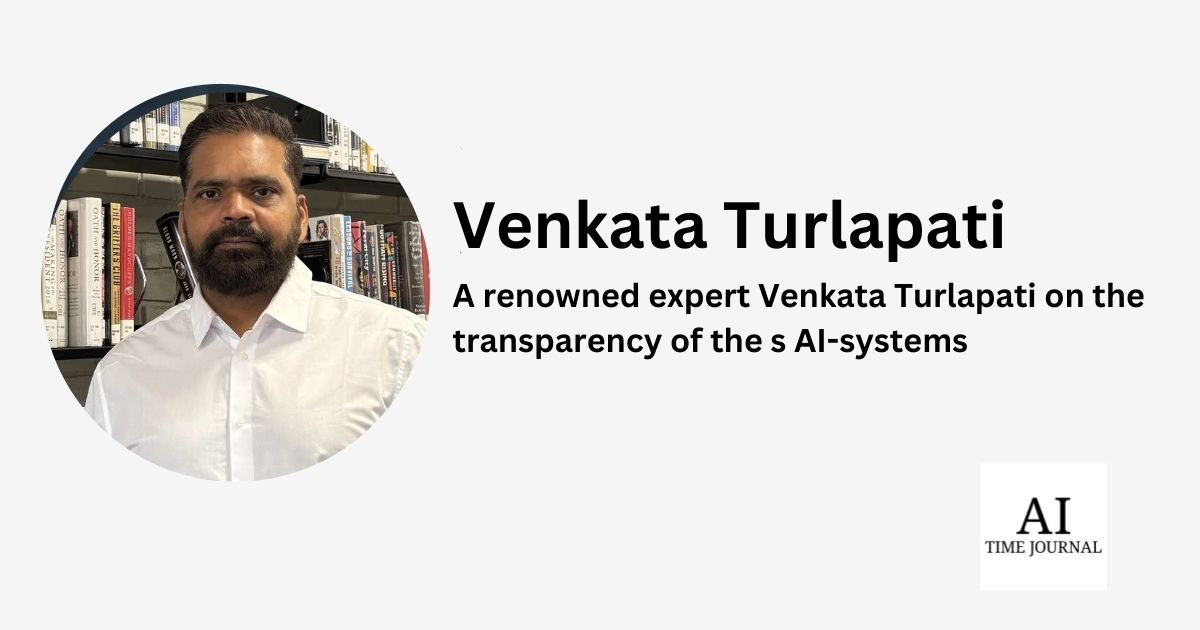
We discussed how to find a balance between innovation and ethics with Venkata Ramaiah Turlapati, a recognized expert in artificial intelligence. His works, "Ethical Implications of Artificial Intelligence in Business Decision-Making" and "The Role of Explainable AI in Building Trust", have become foundational for many companies adopting AI solutions. As a practitioner and researcher, Venkata has helped dozens of organizations develop ethical frameworks for working with AI and build systems that earn user trust.
Venkata, let’s start with a fundamental question: Why is AI ethics becoming a key issue for modern businesses?
Ethics is not just a buzzword; it is a prerequisite for the successful and long-term use of AI. Companies working with big data face the necessity of explaining how their algorithms make decisions. This is important not only for regulatory compliance but also for maintaining customer trust. For example, if a system automatically rejects a loan application, the client has the right to know why.
In your books Business Analytics with AI and Optimizing Intelligent Systems for Cross-Industry Applications, you explore both the ethical implications of AI and its practical applications across different industries. What inspired you to focus on these aspects, and how do these works complement each other?
"Business Analytics with AI" is about bridging the gap between raw data and responsible decision-making. Companies often adopt AI for efficiency but overlook the ethical considerations that come with it. I wanted to highlight how AI-driven analytics can be both powerful and transparent. Optimizing Intelligent Systems builds on this idea by looking at AI’s role across industries—how different sectors can implement intelligent systems without sacrificing accountability. Together, these books provide a roadmap for organizations that want to innovate while maintaining trust and fairness.
In your work, "Ethical Implications of Artificial Intelligence in Business Decision-Making," you propose a concept of responsible AI implementation. Could you elaborate on the key principles of this approach?
In this work, I outlined three main principles: transparency, fairness, and accountability. Transparency means that algorithms and data should be available for audits and understandable to stakeholders. Fairness requires that models avoid bias and discrimination. Accountability implies that companies must clearly define individuals or teams responsible for decisions made using AI. This approach helps minimize risks while also building trust among clients and partners.
How can businesses ensure the transparency of AI-driven decisions in practice?
The key lies in using Explainable AI (XAI). In my practice, we’ve developed methodologies that help banking institutions explain to clients the reasons behind their decisions. This not only reduces the number of complaints but also improves the company’s reputation. In one project, we implemented XAI models that analyze customer data and generate understandable explanations. This helped banks significantly reduce legal risks and improve customer satisfaction.
Your research also explores the use of blockchain combined with AI to enhance transparency. What results has this produced?
The research showed that combining blockchain and AI can significantly improve trust in supply chains. In our projects, we minimized the risk of product counterfeiting and enhanced monitoring at every stage of the supply chain. In one particular case, the implementation of blockchain helped a client prove their products met environmental standards, which became a significant competitive advantage.
You often emphasize the importance of combining AI with human involvement. Could you share an example of a successful application of this approach?
One illustrative example is an automated candidate selection system for HR processes. We developed an algorithm that helped companies analyze hundreds of resumes while always leaving the final decision to HR specialists. This combination of AI and human expertise allowed us to avoid discrimination and helped companies quickly find specialists who aligned with corporate values.
Can you explain how it works and what results it has achieved in practice?
Retaining valuable employees is one of the biggest challenges for businesses today. Our system analyzes multiple factors, from career progression to stress levels, to identify patterns that indicate an employee might be considering leaving. By acting on these early warning signs, HR teams can address issues proactively. For example, in one project, our system helped reduce turnover by 20%, saving the company significant resources.
How did your work on this system gain recognition in the HR industry?
The methodology and results of our system were presented at the international ITI conference, where they garnered significant interest from HR professionals worldwide. It’s clear that companies are eager for solutions that not only save costs but also improve workplace dynamics.
Algorithmic bias is often discussed in the AI world. Have you encountered cases where ethical principles helped prevent serious AI system errors?
This is a very important aspect. In one project, we worked with a large insurance company, where an AI system assessed risks for insurance applications. During testing, we discovered that the algorithm implicitly discriminated against certain groups of clients based on indirect characteristics. By implementing ethical principles and continuous monitoring, we identified this issue before the system was deployed, completely reworked the model, and saved the company millions of dollars in potential losses and lawsuits.
Given the rapid development of AI, what specific steps should companies take now to avoid falling behind in AI ethics?
First and foremost, it’s crucial to create a dedicated AI ethics team, including not only technical specialists but also lawyers, sociologists, and security experts. Companies need to develop clear ethical standards and implement a system for regular algorithm audits. I strongly recommend joining international initiatives such as Partnership on AI, which provides access to best practices and helps stay up to date with the latest trends. Additionally, investing in employee education on the ethical aspects of working with AI is essential, as people ultimately make the key decisions.
Finally, what breakthrough in AI ethics do you expect to see in the next five years?
I foresee a revolution in how we approach AI transparency. We are already working on technology blogs that will allow ordinary users to "look inside" complex algorithms through user-friendly interfaces. I believe that within five years, we will see the emergence of global AI ethics standards that will be as critical as today’s safety or quality standards. Companies that prioritize transparency and accountability will undoubtedly become market leaders. Moreover, I am confident that ethical AI will become the main competitive advantage in the digital age.
Thank you very much for this fascinating conversation, Venkata. Your insights provide excellent food for thought about the future of AI.
Thank you. I hope our conversation helps companies better understand the importance of ethical aspects when implementing AI. After all, in the end, technology should serve people, not the other way around.